

Static wealth is dying wealth. Hyper-Liquid Treasury Architecture is the definitive framework for the modern sovereign founder, ensuring that every cent of your capital is move-ready, yield-bearing, and protected by 100% autonomous protocols.
Static wealth is dying wealth. Hyper-Liquid Treasury Architecture is the definitive framework for the modern sovereign founder, ensuring that every cent of your capital is move-ready, yield-bearing, and protected by 100% autonomous protocols.
Stability is not the absence of chaos; it is the presence of an automated response. Autonomous Risk Mitigation is the framework for a business that doesn’t just survive volatility but thrives on it, using self-executing protocols to shield your legacy from systemic failure.
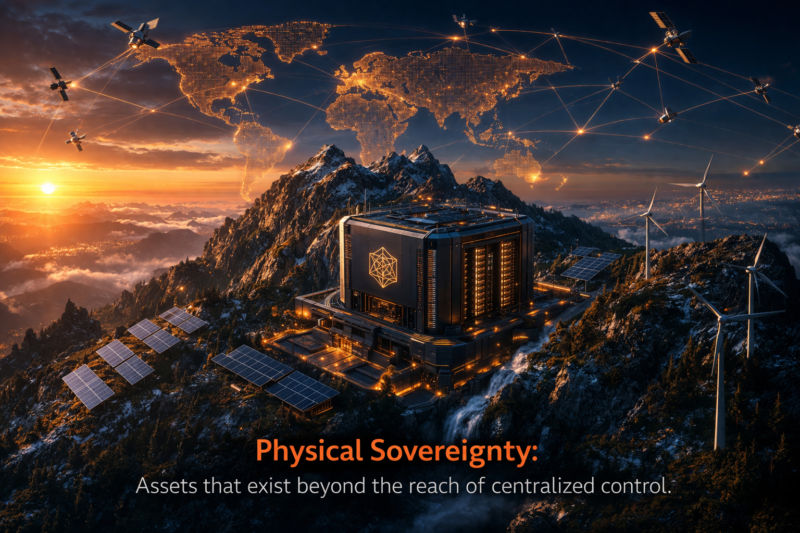
Sovereignty is a theory until it meets the physical world. Sovereign Infrastructure anchors your digital protocols into tangible, decentralized assets, ensuring your business remains operational regardless of centralized failures, regulatory shifts, or external pressure.
Speed without direction is just noise. Cognitive Capital Deployment is the integration of high-level human vision with low-level protocol execution, creating a financial system that doesn’t just move capital, but understands the intent behind the movement.
Wealth is not a number; it is a degree of freedom. Sovereign Legacy Architecture is the art of building a business that exists beyond the reach of gatekeepers—a self-correcting, high-velocity engine that ensures your impact outlasts your presence.
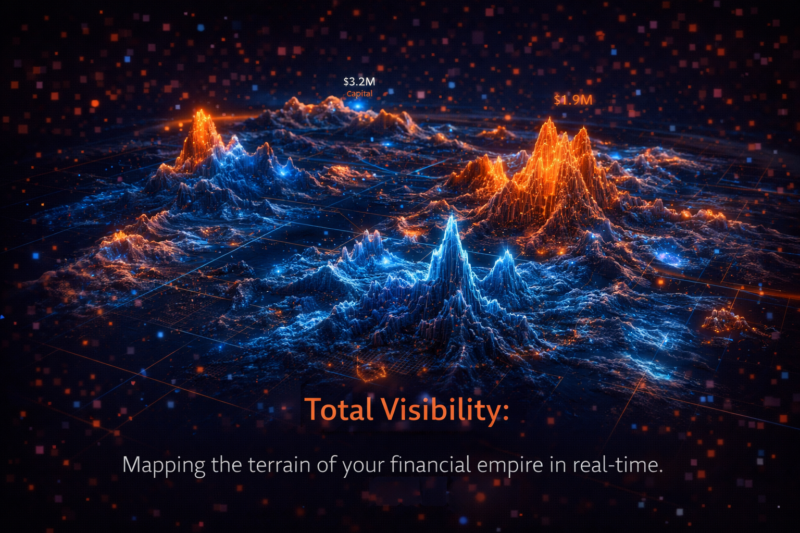
Excerpt: Transparency is the foundation of trust, but precision is the foundation of power. High-Fidelity Capital Mapping allows the sovereign founder to visualize the “Flow of Value” at the microscopic level, ensuring that no asset is ever underutilized or misallocated in the pursuit of infinite scale.
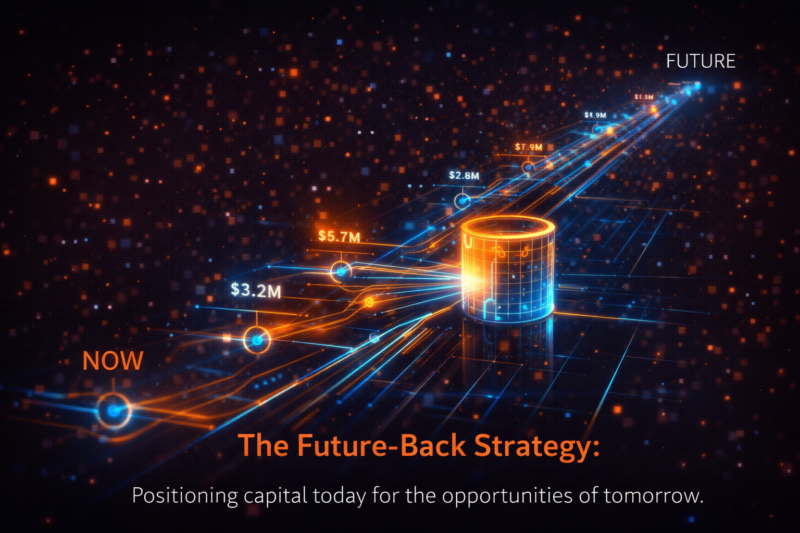
Reaction is the luxury of the slow. Predictive Treasury Operations allow the sovereign founder to move beyond real-time management and into automated foresight, using decentralized protocols to position liquidity and hedge risk before the market even signals a shift.
Stop managing assets and start governing protocols. Autonomous Asset Management is the framework for a business where your hardware and capital grow and protect themselves through automated, self-executing systems.
Rigidity is the silent killer of the modern enterprise. Elastic Capital Architecture is the blueprint for a financial system that breathes—expanding to capture opportunity and contracting to protect margins—ensuring your business remains solvent and liquid regardless of external market volatility.
Excerpt: Static assets are a liability in a high-speed economy. Fractionalized Velocity is the strategic framework for breaking down monolithic holdings into micro-units of liquid value, allowing founders to reinvest, hedge, and scale with a level of precision that traditional finance simply cannot match.